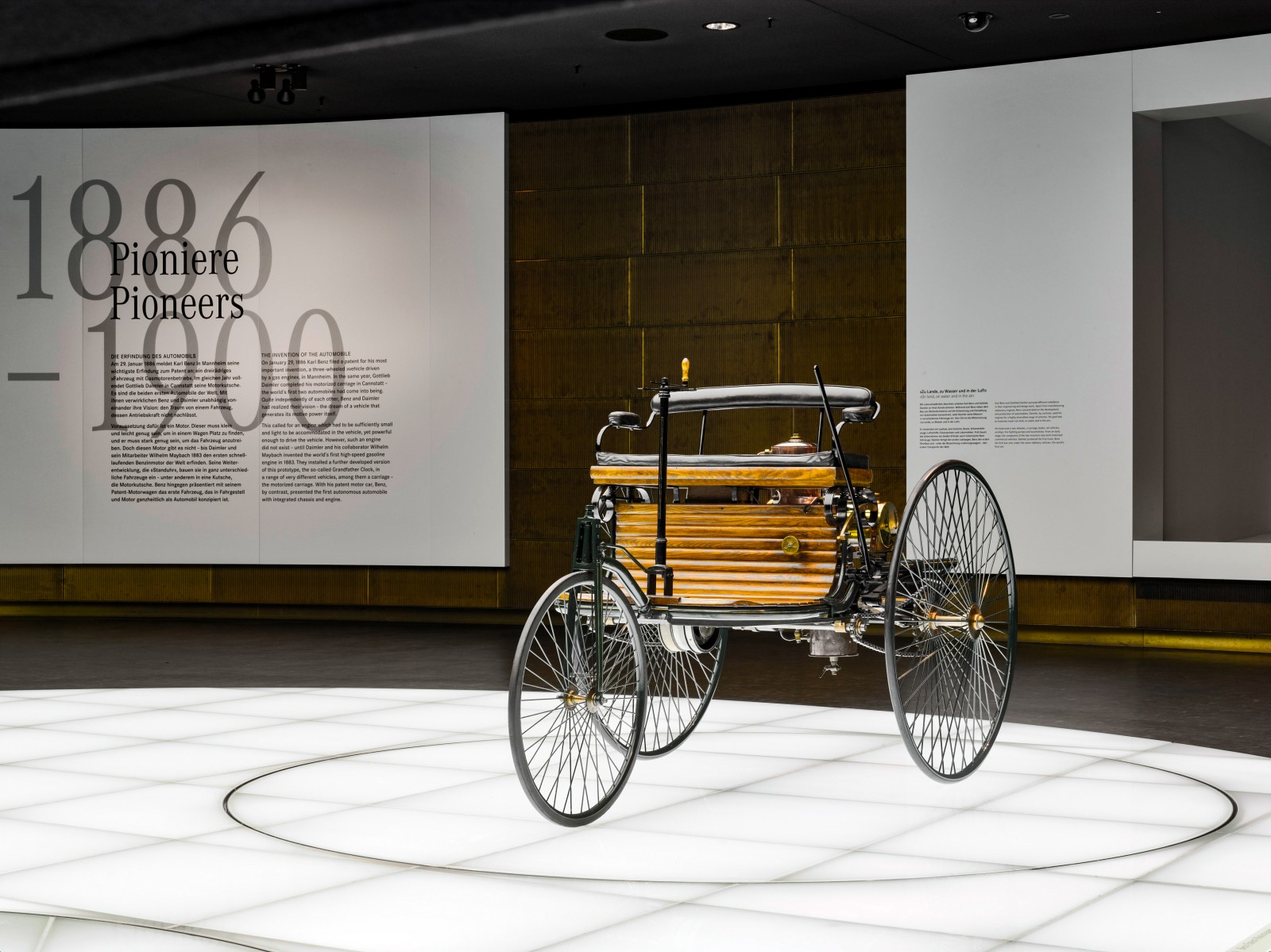
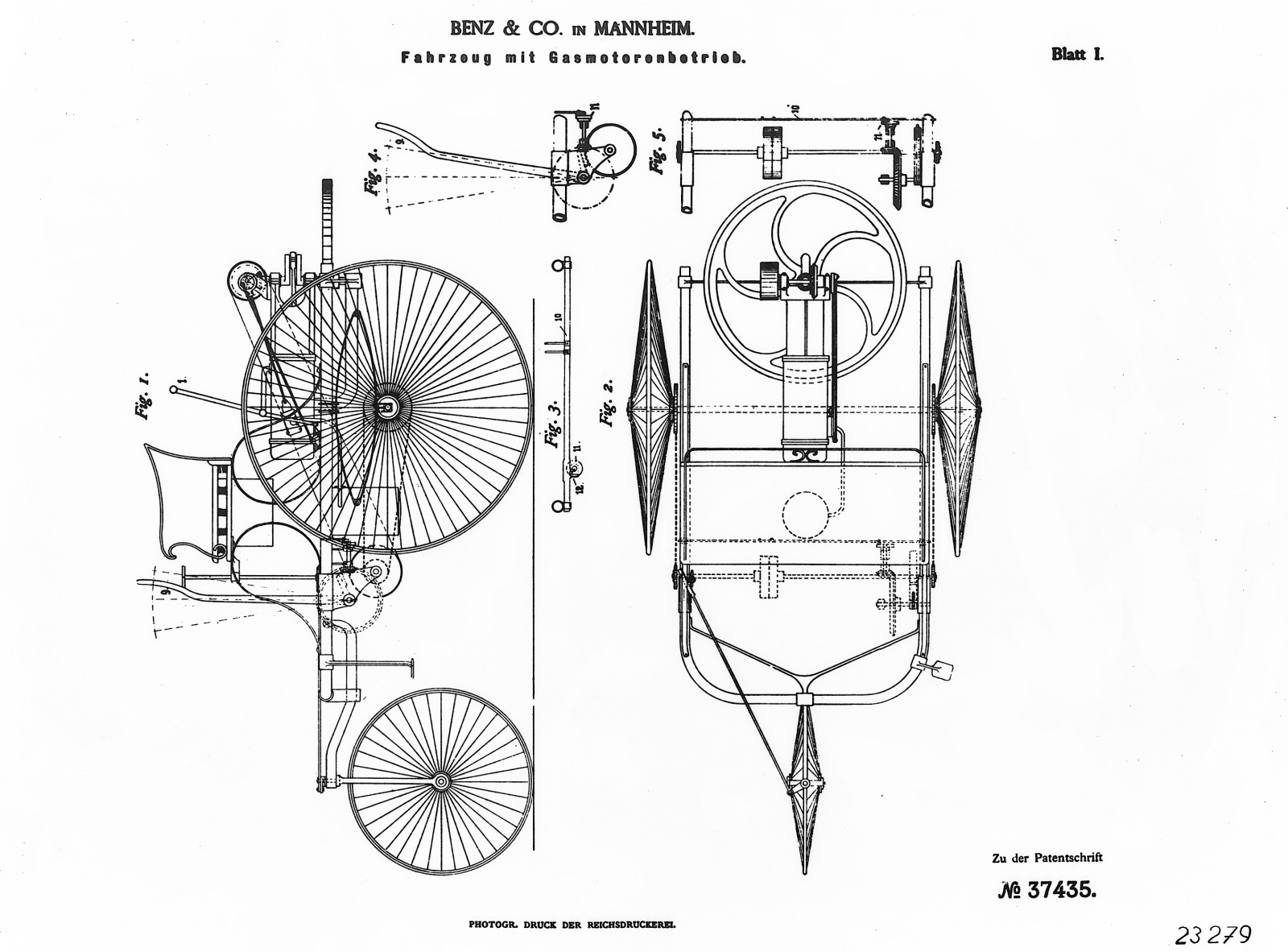
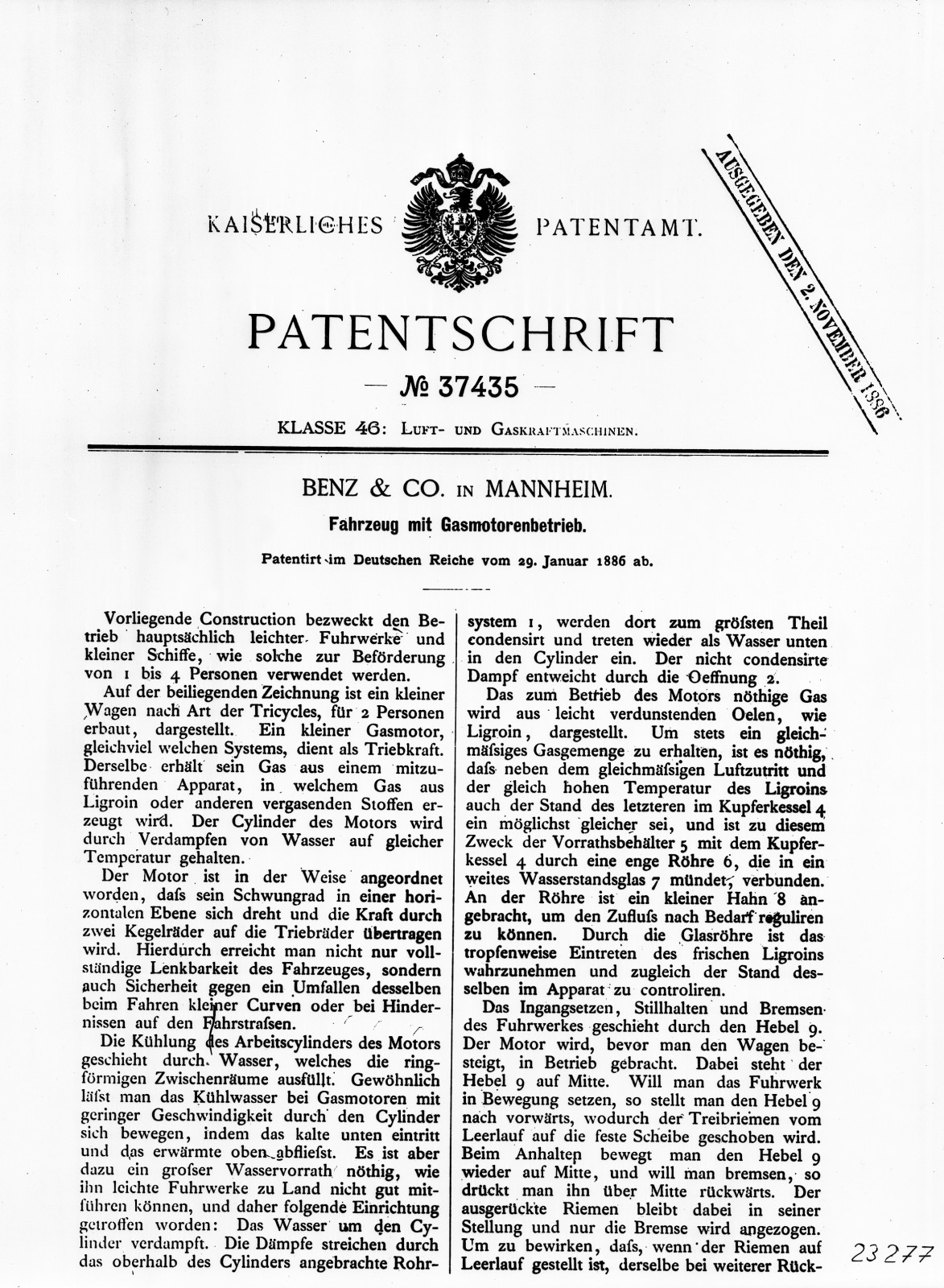
El 29 de enero de 1886, Carl Benz solicitó la patente de su automóvil de tres ruedas. La patente DRP 37,435 para el «vehículo de gasolina» se considera ampliamente como el certificado de nacimiento del automóvil. Actualmente forma parte del Registro de la Memoria del Mundo de la UNESCO y marca el inicio de la movilidad individual moderna. Su esposa, Bertha, lo apoyó desde el principio.
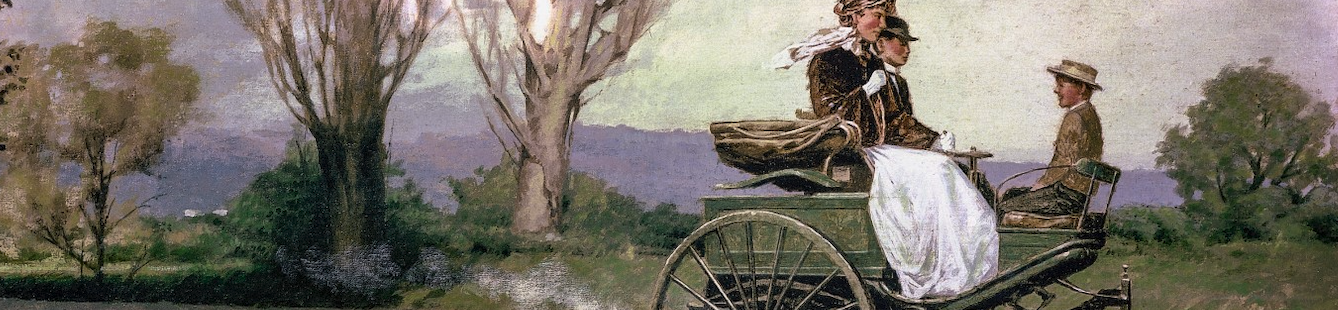
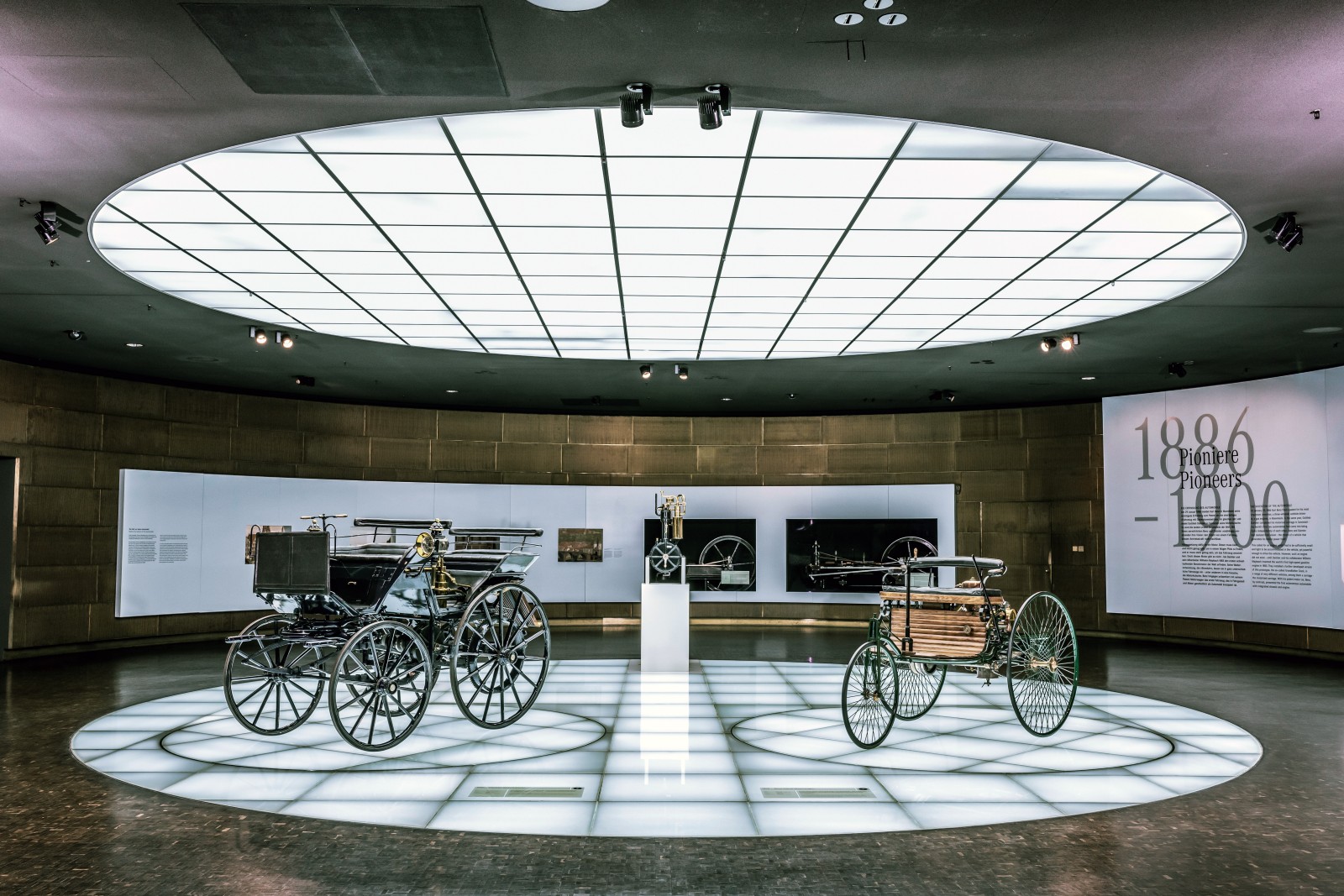
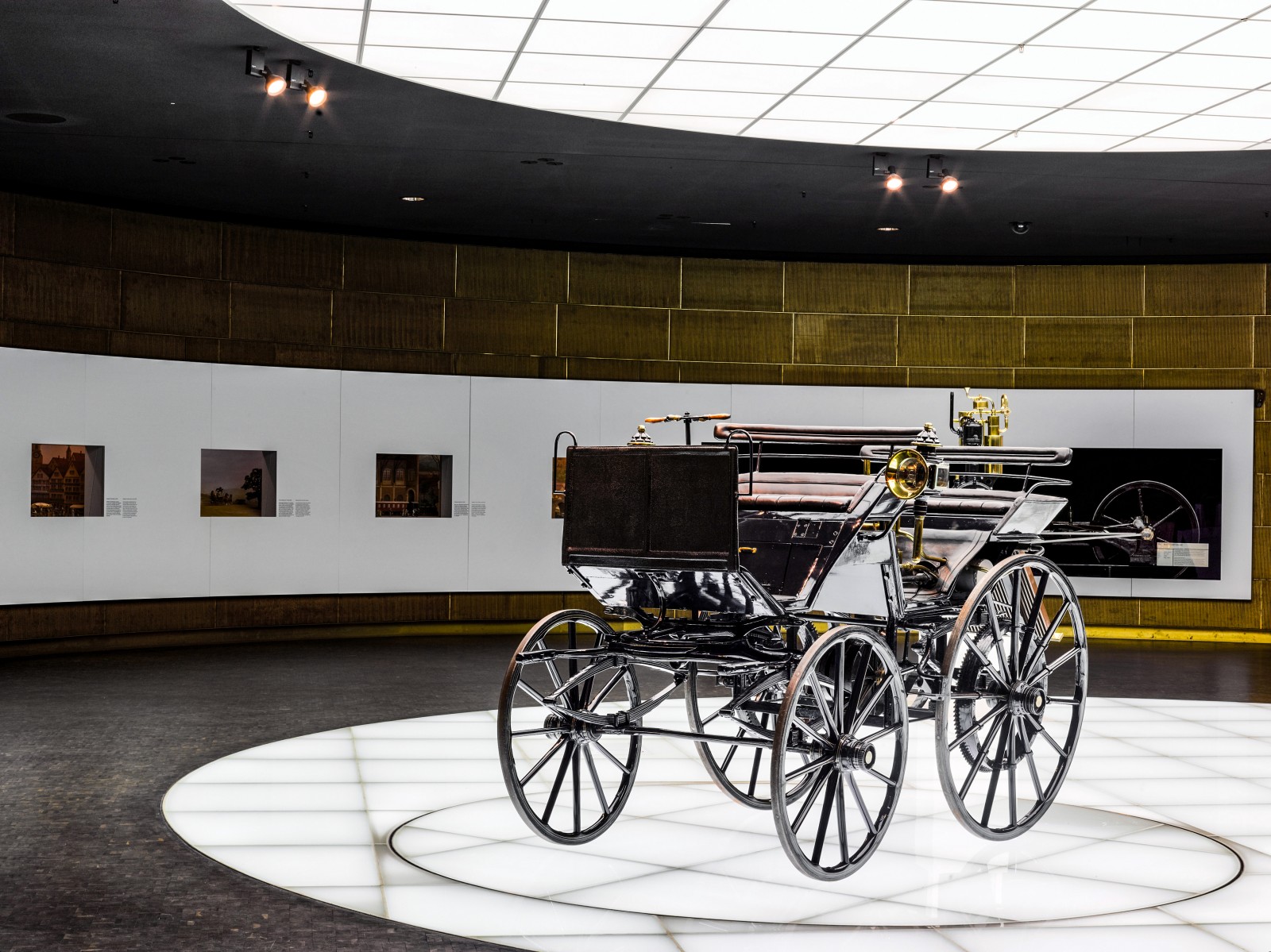
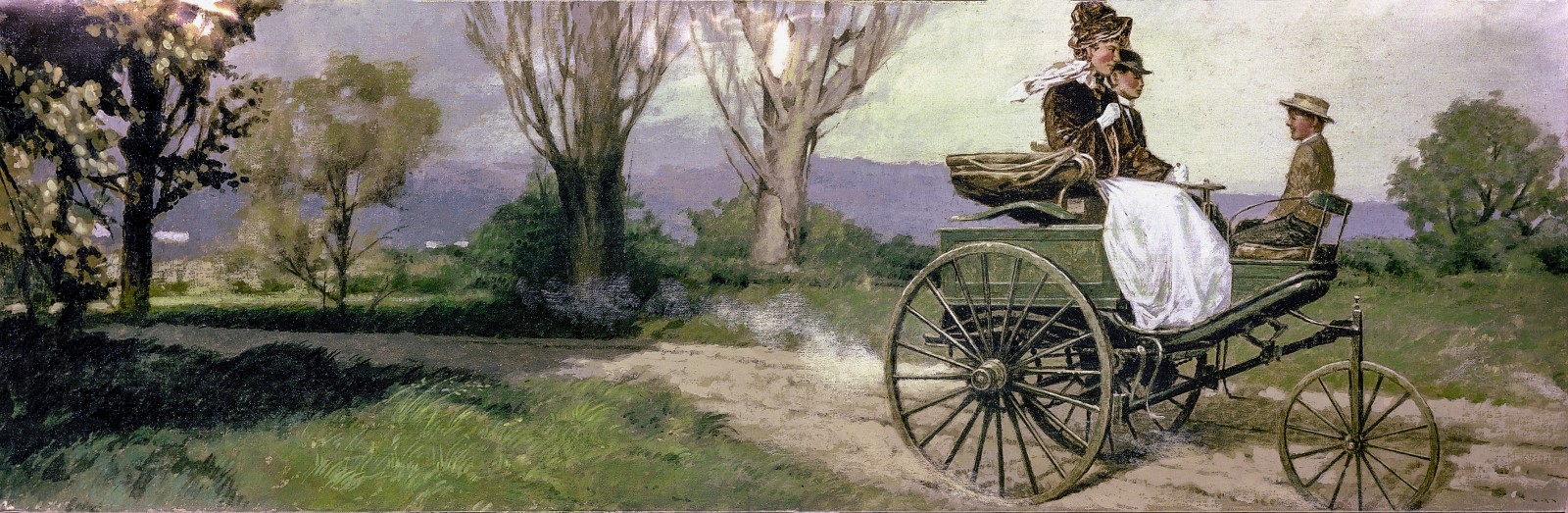
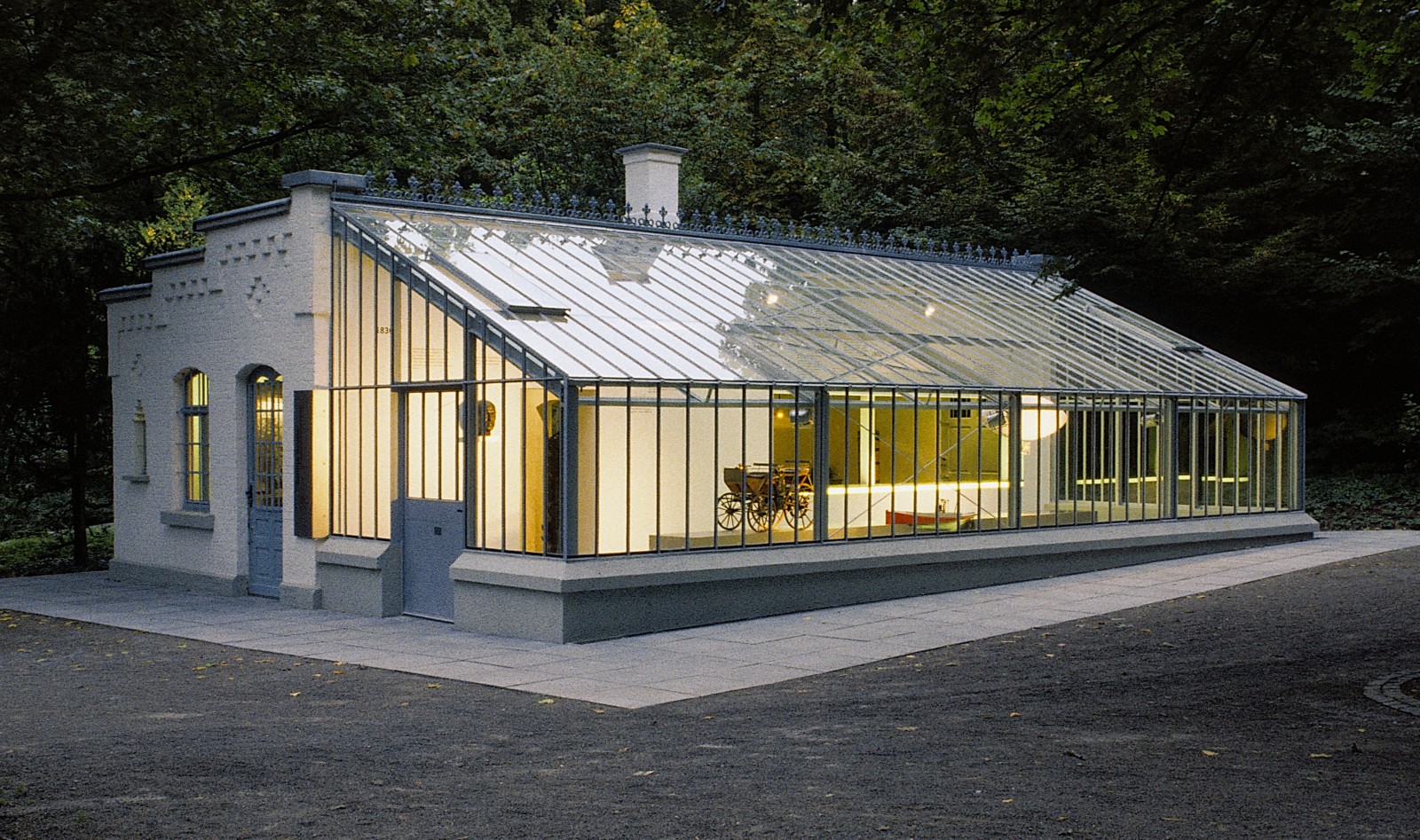
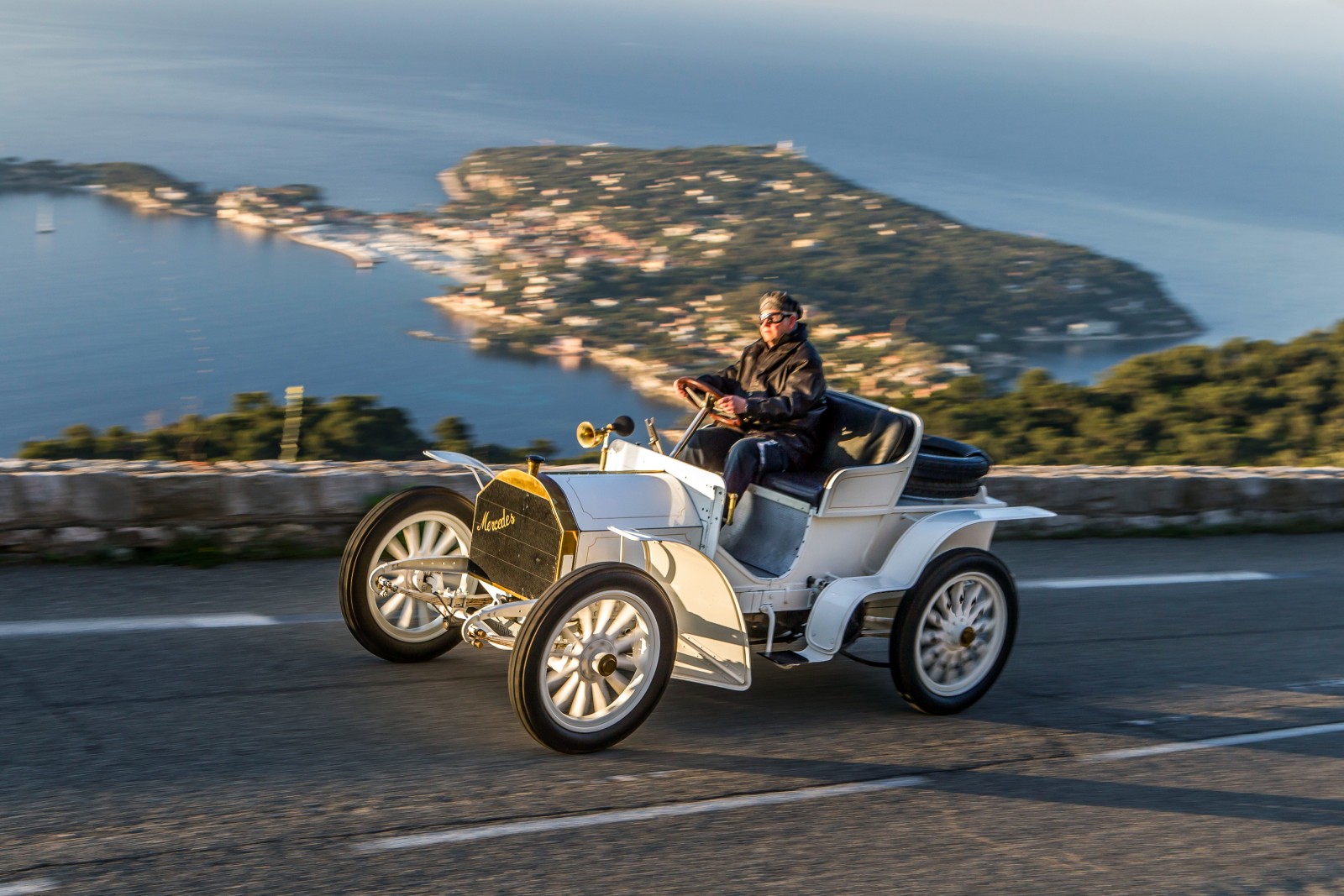
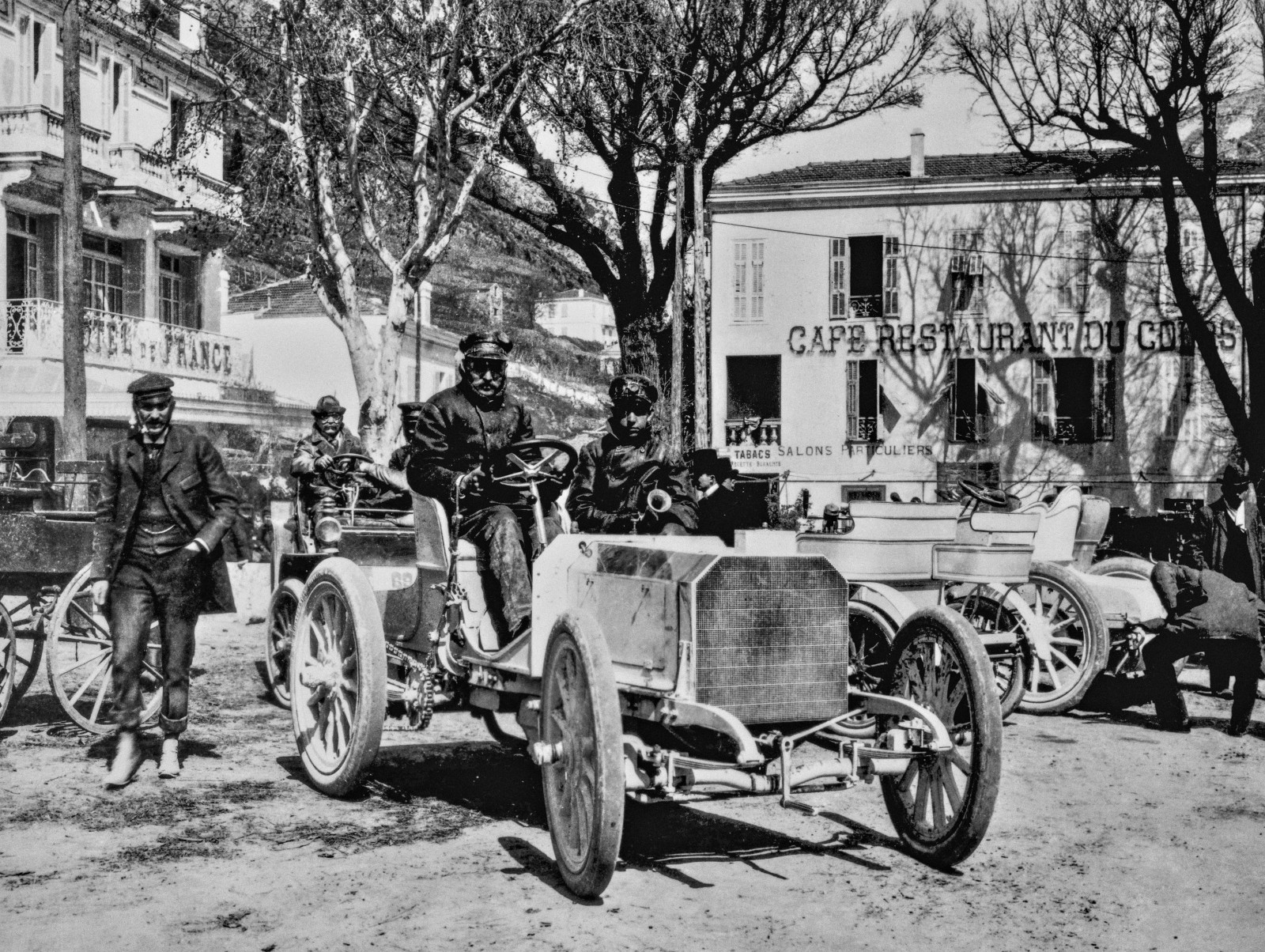
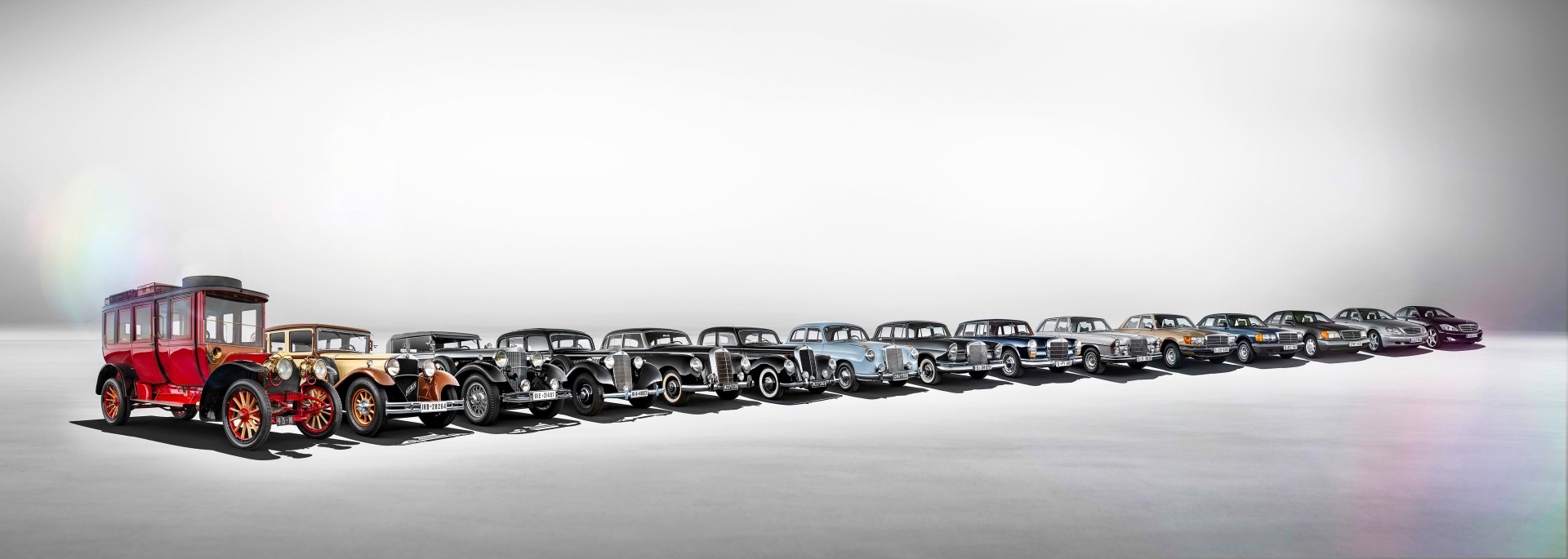
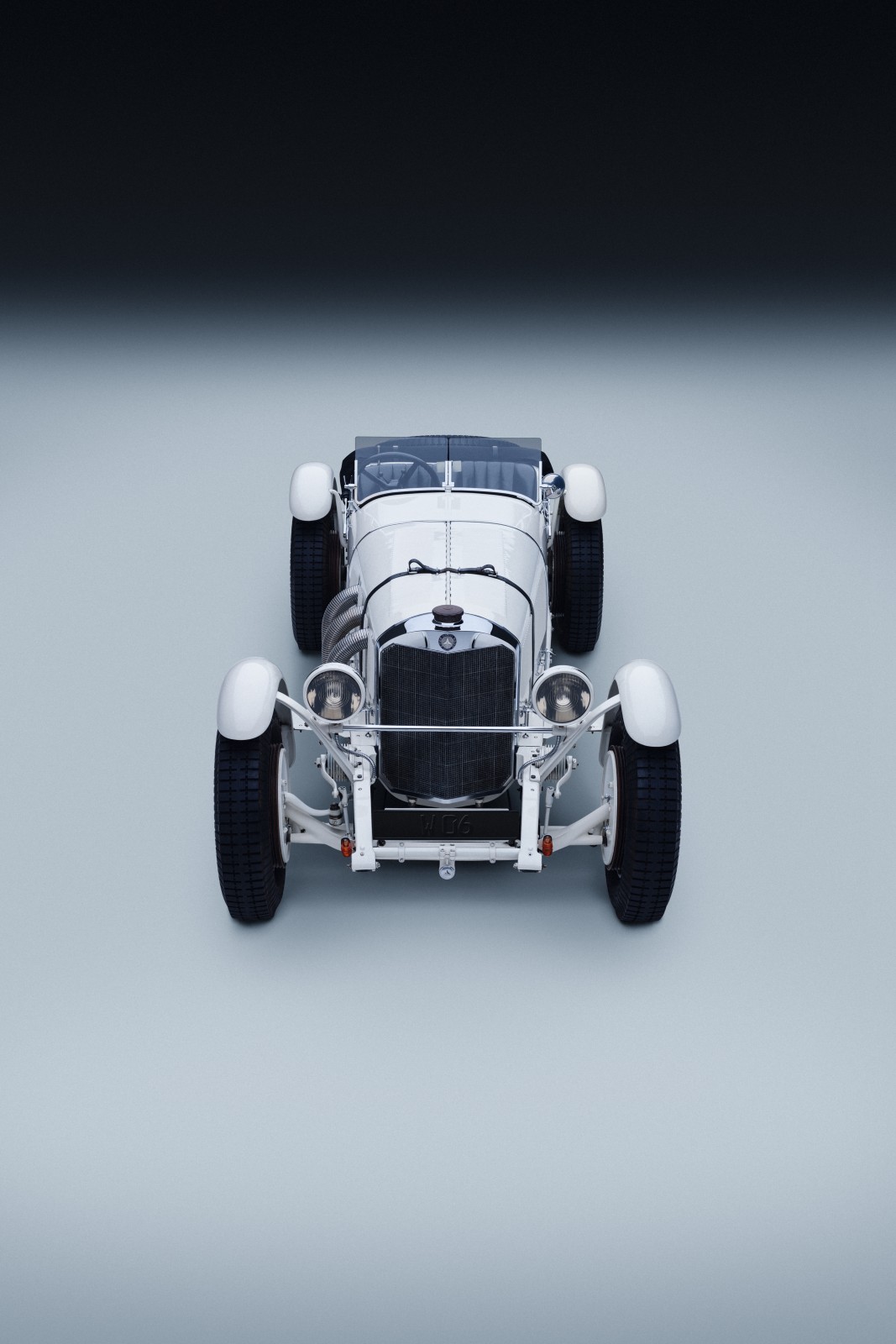
Mercedes-Benz Museum, Stuttgart: Benz Patent Motor Car in room Legend 1: Pioneers – The Invention of the Automobile, 1886 to 1900. (Photo reference number in the Mercedes-Benz Classic Archives: D109040)The birth certificate of the automobile: Technical drawings from patent specification 37435 by Carl Benz for a motor car (“vehicle with gas engine”), registered on 29 January 1886. (Photo reference number in the Mercedes-Benz Classic Archives: 23279)The birth certificate of the automobile: Title page of patent specification 37435 by Carl Benz for a motor car (“vehicle with gas engine”), registered on 29 January 1886. (Photo reference number in the Mercedes-Benz Classic Archives: 23277)Mercedes-Benz Museum, Stuttgart. Benz Patent Motor Car (right) and Daimler Motor Carriage (left) in room Legend 1: Pioneers – The Invention of the Automobile, 1886 to 1900. In the centre is the Daimler “grandfather clock” – the first small, high-speed combustion engine. (Photo reference number in the Mercedes-Benz Classic Archives: D587470)Mercedes-Benz Museum, Stuttgart: Daimler motor carriage in room Legend 1: Pioneers – The Invention of the Automobile, 1886 to 1900. (Photo reference number in the Mercedes-Benz Classic Archives: D104815)In August 1888, Bertha Benz, wife of automobile inventor Carl Benz, undertook the world’s first long-distance journey in an automobile. Driving the Benz Patent Motor Car Model 3, she travelled from Mannheim to Pforzheim and back. Historical painting. (Photo reference number in the Mercedes-Benz Classic Archives: B39394)Gottlieb Daimler’s former test workshop in the garden house of his villa in Cannstatt. This is where the world’s first lightweight, high-speed vehicle engine was developed. Today, it is the publicly accessible Gottlieb Daimler Memorial. (Photo reference number in the Mercedes-Benz Classic Archives: A92F1885)In 1900, the Mercedes 35 hp was created with a high-performance drive, long wheelbase and low centre of gravity. It is considered the first modern automobile ever and was the first to bear the Mercedes name. The Mercedes-Simplex model family was derived from it in 1902. Driving shot of a Mercedes-Simplex 40 hp from 1903 from the Mercedes-Benz Classic Insight “The Mercédès Era” in Nice and the surrounding area, April 2017. (Photo reference number in the Mercedes-Benz Classic Archives: D368603)Mercedes 35 hp, the first Mercedes and the first modern automobile in history. Photo of Baron Henri de Rothschild’s Mercedes 35 hp racing car at the Nice–La Turbie hill climb on 29 March 1901 during the Racing Week in Nice, 25 to 29 March 1901. At the wheel: Wilhelm Werner. (Photo reference number in Mercedes-Benz Classic Archives: C31392)On 28 and 29 June 1926, Benz & Cie. and Daimler-Motoren-Gesellschaft merged to form Daimler-Benz AG. The new company registered the trademark for the new Mercedes-Benz brand on 21 August 1926. It combined the previous trademarks: the three-pointed star came from Mercedes, the laurel wreath from Benz. (Photo reference number in the Mercedes-Benz Classic Archives: 2001DIG410)The unique tradition of the Mercedes-Benz S-Class: its history began in 1903 with the construction of the powerful Mercedes-Simplex 60 hp, which Emil Jellinek had converted into a luxurious touring car in 1904. It is on display in the Mercedes-Benz Museum. The name S-Class made its debut in 1972 in the 116 series. (Photo reference number in the Mercedes-Benz Classic Archives: 2008DIG3846)Mercedes-Benz SSK (W 06), Produktionszeit 1928 bis 1932. Fahrzeug aus dem Jahr 1928. Studioaufnahme von vorn aus dem Jahr 2025.
Mercedes-Benz SSK (W 06), production period 1928 to 1932. Vehicle from 1928. Studio shot from the front, taken in 2025.Mercedes-Benz 500 K Spezial-Roadster (W 29), Produktionszeit 1934 bis 1936. Fahrzeug aus dem Jahr 1934. Studioaufnahme von links mit geschlossenem Verdeck aus dem Jahr 2025.
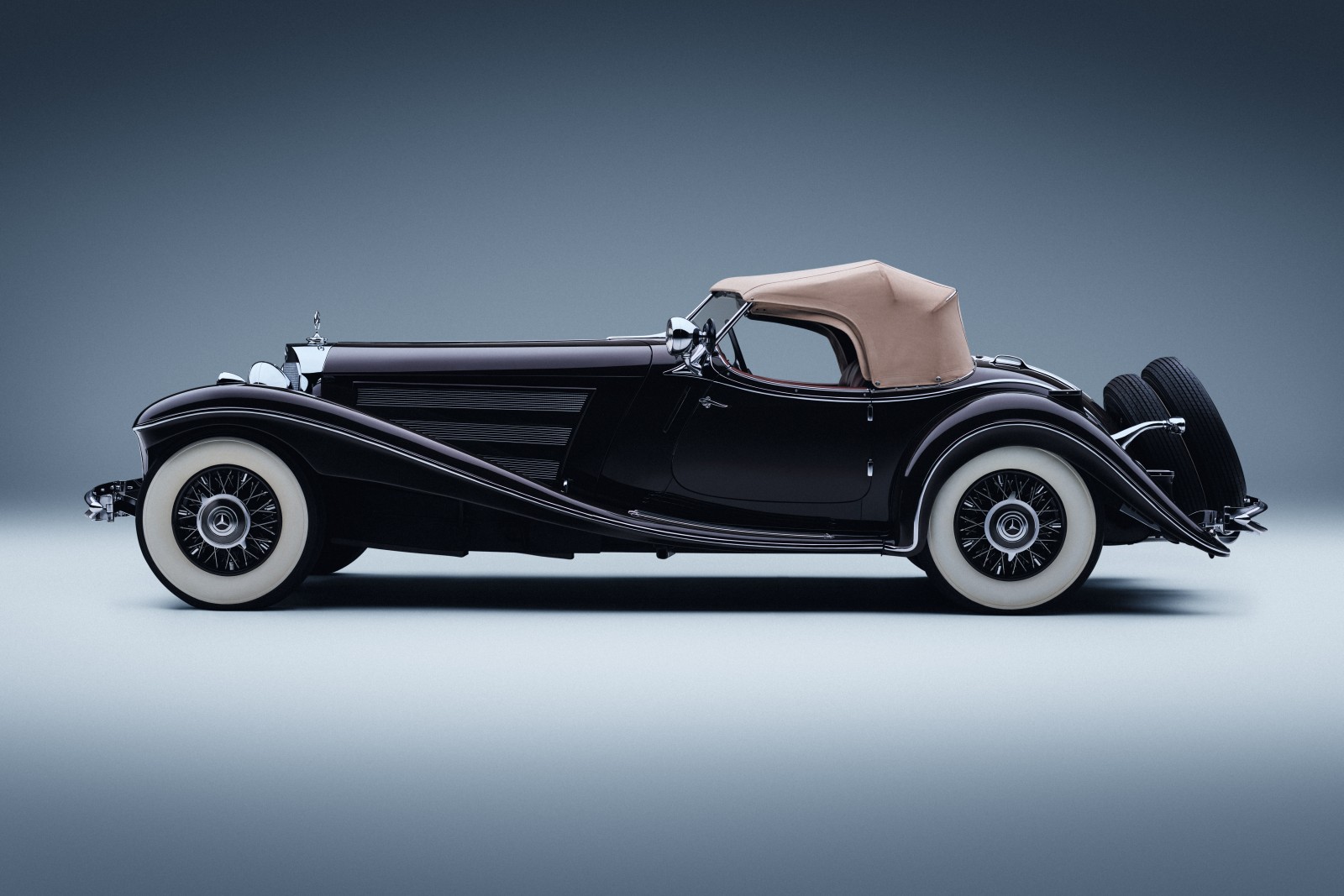
Mercedes-Benz 500 K Special Roadster (W 29), production period 1934 to 1936. Vehicle from 1934. Studio shot from the left with closed hood, taken in 2025.Mercedes-Benz 300 SL „Fügeltürer“ (W 198), Produktionszeit 1954 bis 1957. Fahrzeug aus dem Jahr 1955. Studioaufnahme von vorn mit geöffneten Flügeltüren aus dem Jahr 2025.
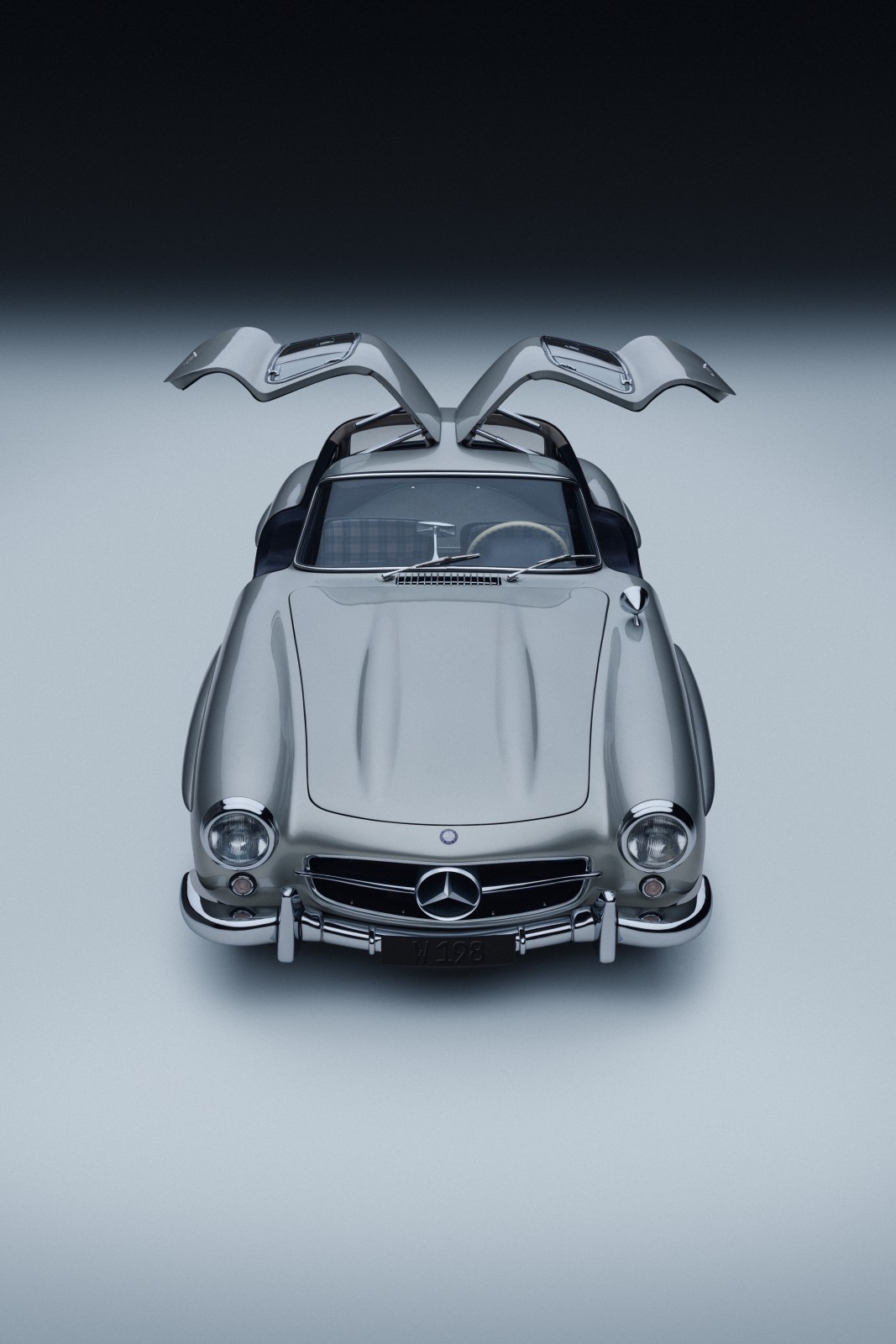
Mercedes-Benz 300 SL “Gullwing” (W 198), production period 1954 to 1957. Vehicle from 1955. Studio shot from the front with gullwing doors open, taken in 2025.Mercedes-Benz 600 „Großer Mercedes“ der Baureihe 100, Produktionszeit 1963 bis 1981. Limousine mit kurzem Radstand aus dem Jahr 1963. Studioaufnahme von vorn mit geöffneten Türen aus dem Jahr 2025.
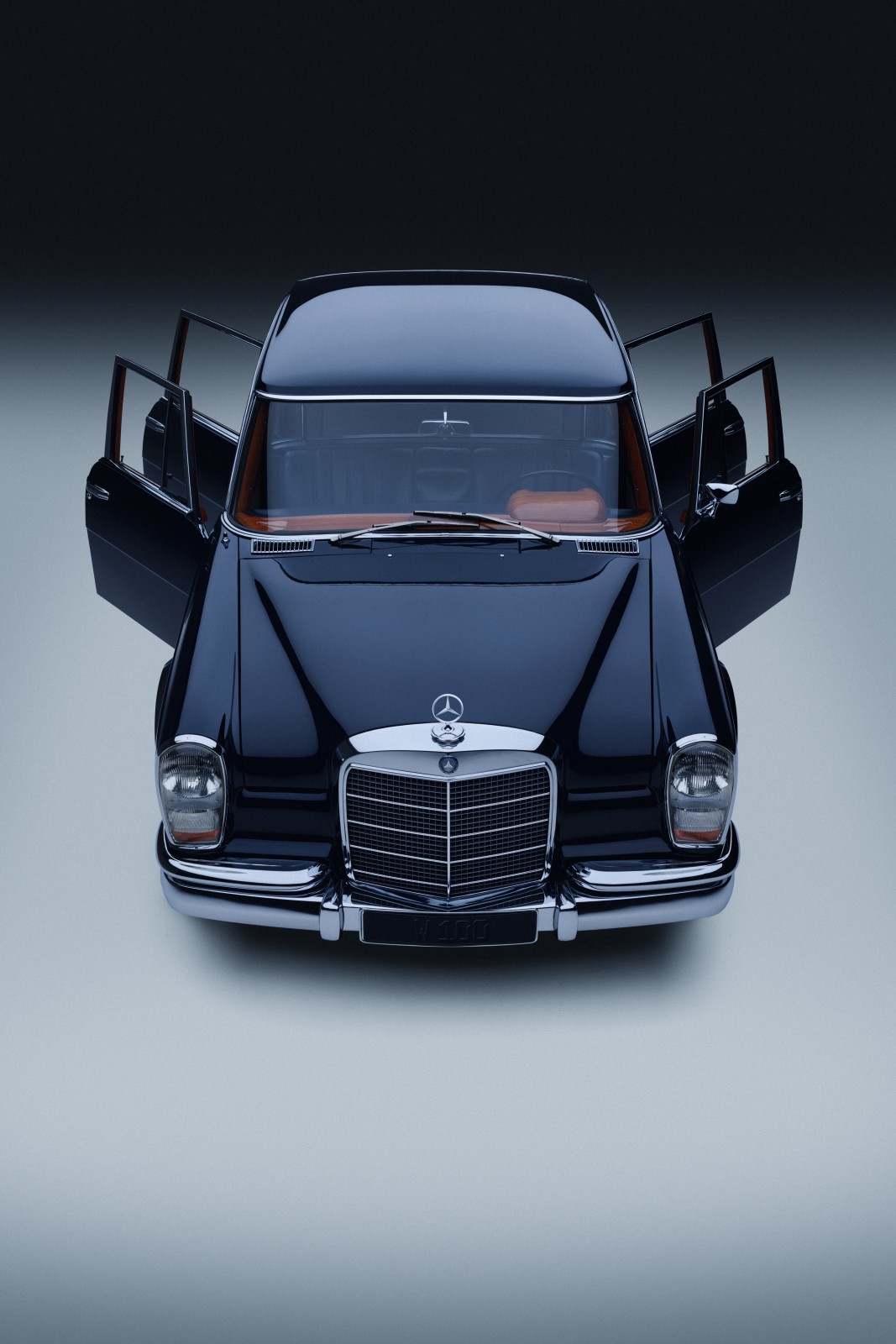
Mercedes-Benz 600 “Grand Mercedes” from the 100 series, produced from 1963 to 1981. Saloon with short wheelbase from 1963. Studio shot from the front with open doors, taken in 2025.Mercedes-Benz C 111-II. Experimentalfahrzeug aus dem Jahr 1970. Studioaufnahme von vorn mit geöffneten Flügeltüren aus dem Jahr 2025.
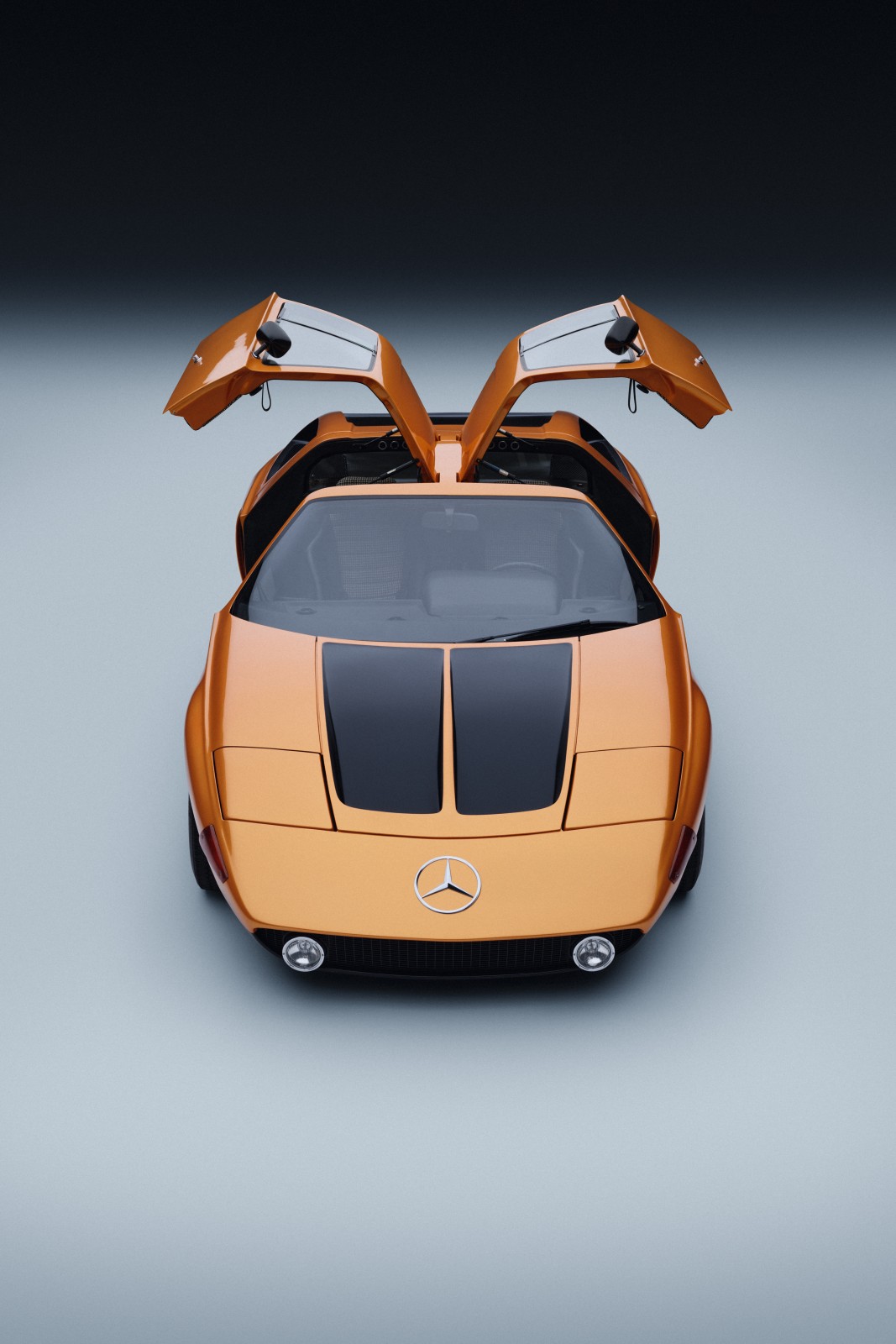
Mercedes-Benz C 111-II. Experimental vehicle from 1970. Studio shot from the front with gullwing doors open, taken in 2025.Carl Benz, 25. November 1844 bis 4. April 1929. Mobilitätspionier und Erfinder des Automobils. Porträtfoto. (Fotosignatur der Archive von Mercedes-Benz Classic: 13367)
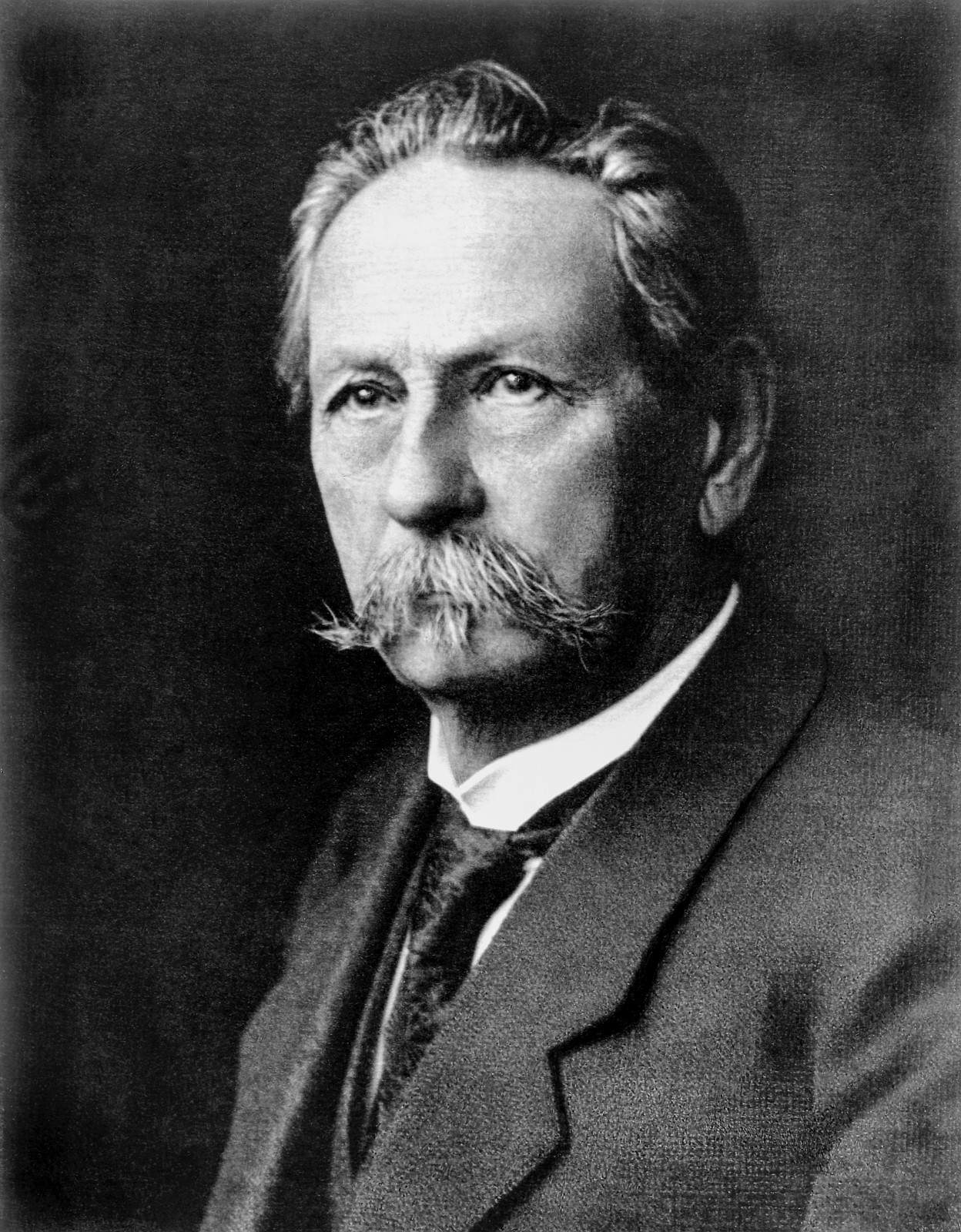
Carl Benz, 25 November 1844 to 4 April 1929. Mobility pioneer and inventor of the automobile. Portrait photo. (Photo reference number in the Mercedes-Benz Classic Archives: 13367)Gottlieb Daimler, 17. März 1834 bis 6. März 1900. Mobilitätspionier und Erfinder des vierrädrigen Automobils. Porträtfoto. (Fotosignatur der Archive von Mercedes-Benz Classic: 19779)
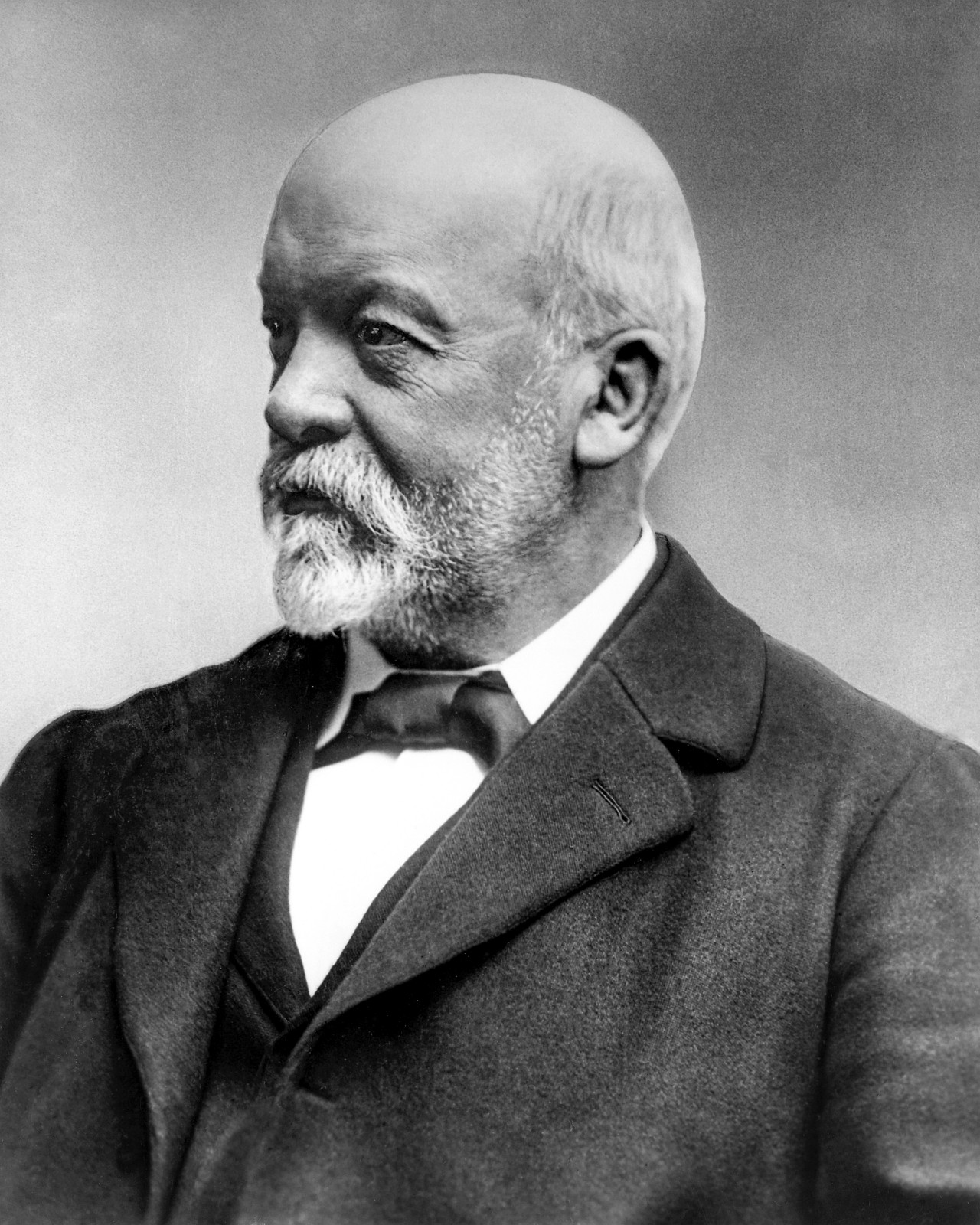
Gottlieb Daimler, 17 March 1834 to 6 March 1900. Mobility pioneer and inventor of the four-wheeled automobile. Portrait photo. (Photo reference number in the Mercedes-Benz Classic Archives: 19779)
Las cookies necesarias activan funciones esenciales del sitio, como inicios de sesión seguros y ajustes de preferencias de consentimiento. No almacenan datos personales.
Ninguna
Las cookies funcionales admiten funciones como el intercambio de contenido en redes sociales, la recopilación de comentarios y la activación de herramientas de terceros.
Ninguna
Las cookies analíticas rastrean las interacciones de los visitantes, proporcionando información sobre métricas como el número de visitantes, la tasa de rebote y las fuentes de tráfico.
Ninguna
Las cookies de publicidad ofrecen anuncios personalizados basados en tus visitas anteriores y analizan la eficacia de las campañas publicitarias.
Ninguna
Las cookies no clasificadas son cookies que estamos en proceso de clasificar, junto con los proveedores de cookies individuales.